
BLOG
Early Warning Signs Of a Heart Attack
What Is Heart Attack?
Early Warning Signs of a Heart Attack
A heart attack, also known as a myocardial infarction, occurs when blood flow to the heart becomes severely reduced or blocked, often due to a blood clot. Understanding what are early warning signs of a heart attack is important because early medical attention may help reduce serious complications.
One of the most common causes of a heart attack is the buildup of fat, cholesterol, and other substances in the arteries that supply blood to the heart.
Several factors may increase the risk of heart attack, including:
- Tobacco use
- Unhealthy diet
- Lack of physical activity
- Stress
- Age
- Family medical history
- Certain medical conditions
According to the Government of Canada, more than 60,000 adults may experience a first heart attack each year. If left untreated, heart-related conditions may increase the risk of complications such as stroke, kidney disease, or peripheral arterial disease.
Maintaining healthy lifestyle habits such as eating a balanced diet, exercising regularly, managing stress, and attending regular medical checkups may support heart health and reduce cardiovascular risk.
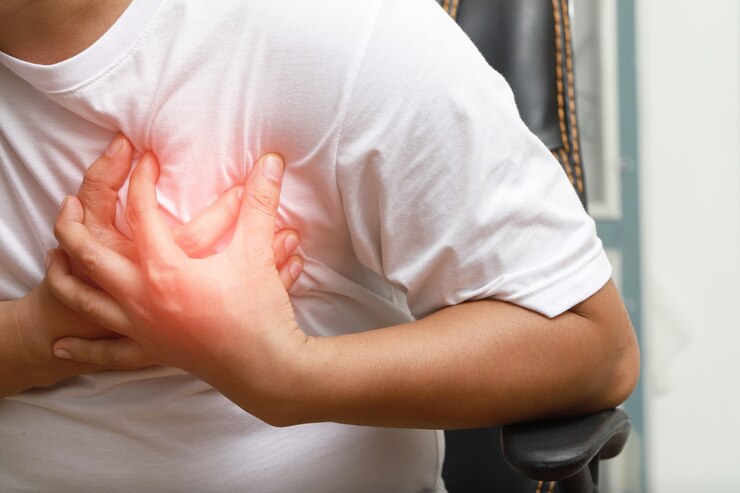
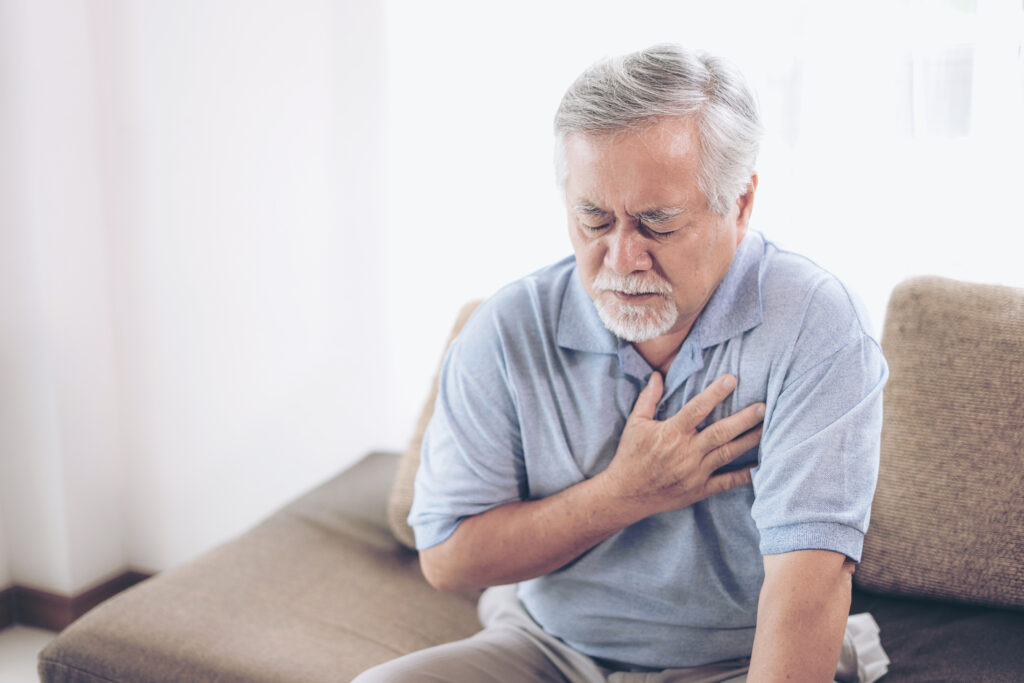
Most Frequent Early Warning Signs of a Heart Attack
Understanding what are early warning signs of a heart attack may help individuals recognize symptoms early and seek medical attention promptly.
Symptoms may vary from person to person. Some individuals experience severe symptoms, while others may have mild symptoms or no warning signs at all before a heart attack occurs.
Below are some of the most common early warning signs of a heart attack:
Chest Pain
Chest pain or discomfort is one of the most common warning signs of a heart attack. The discomfort may occur in the center or front of the chest and may spread to the neck, jaw, shoulders, arms, or upper abdomen.
The pain may feel like pressure, tightness, heaviness, or squeezing and can vary in intensity between individuals.
Shortness of Breath
Shortness of breath may occur when the heart is unable to pump blood efficiently. Fluid may build up in the lungs, making breathing more difficult.
This symptom can occur with or without chest discomfort and is considered one of the important early warning signs of a heart attack.
Fatigue
Feeling unusually tired or weak may occur before or during a heart attack. Some individuals, especially women, may notice unexplained fatigue that interferes with daily activities.
Persistent fatigue can sometimes be one of the lesser-known early warning signs of a heart attack.
Coughing and Wheezing
A persistent cough or wheezing, especially when accompanied by pink or white mucus, may occur if fluid builds up in the lungs due to reduced heart function.
Irregular Heartbeats
The heart may beat faster, harder, or irregularly if it is struggling to pump blood effectively. Some individuals describe this sensation as pounding or fluttering in the chest.
Swelling in the Legs
Swelling in the legs, ankles, feet, or abdomen may occur when blood circulation slows down and fluid begins to collect in body tissues.
Heart Health Support at Queen Peoples Pharmacy
At Queen Peoples Pharmacy, we are committed to helping patients better understand what are early warning signs of a heart attack and support long-term heart health through trusted pharmacy care.
Our experienced pharmacists can assist with:
- Blood pressure monitoring
- Medication reviews
- Prescription refills
- Heart health guidance
- Chronic disease management support
Conveniently located inside Bow Trail Medical Clinic in SW Calgary, we are proud to provide personalized healthcare services tailored to your needs.